


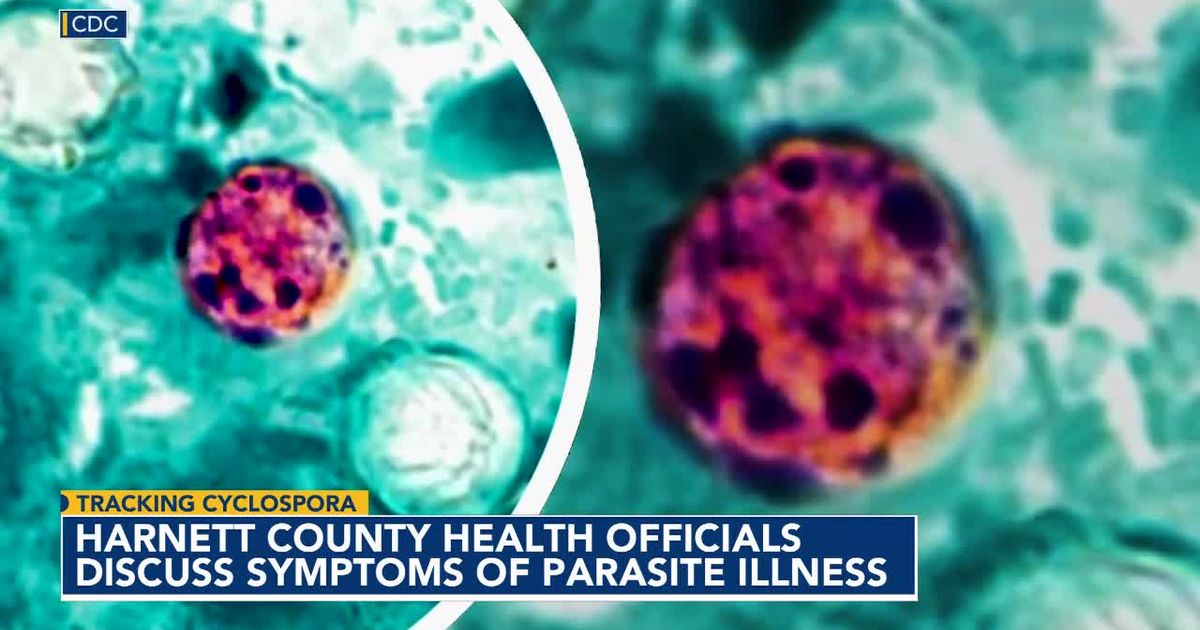
More than 30 people got a Cyclosporiasis diagnosis on Thursday in Wake County, pushing the total number of people dealing with the diarrhea-causing bug to 270.
The county health department is aware of five people in Wake County hospitalized after an encounter with cyclospora, a microscopic parasite that caused unpleasant gastrointestinal symptoms, including “explosive diarrhea.” It spreads when someone eats or drinks something contaminated with feces.
Across the state, more than 300 cases of Cyclosporiasis have been reported in recent weeks, with the bulk of those coming in Wake County. The state also said 14 people have been hospitalized because of the stomach bug throughout North Carolina.
The U.S. Centers for Disease Control and Prevention is tracking more than 1,500 cases across five states, and on Friday linked those cases to shredded iceberg lettuce served at Taco Bell.
North Carolina, however, has yet to determine the source of the illness there.
Because of how long an infection can last, it is difficult to trace it to a single source.
Dr. Carl Williams, State Public Health Veterinarian for NCDHHS, explained to WRAL that determining the source of an outbreak can take weeks or even months because symptoms often don’t appear until 2-14 days after someone eats contaminated food. By then, many people struggle to remember exactly what they ate.
WakeMed Urgent Care Medical Director Dr. Christopher Chao said it can be hard to narrow down exactly what the source is.
“Most patients don’t get sick for at least a week, and by the time we interview them, and by the time we try to identify the source, no one can really remember where they ate or what they ate,” he said.
Cyclosporiasis cases typically rise during summer months largely due to the fact that the parasite is often found in fresh fruits and vegetables that are often consumed raw.
“Foodborne disease investigations are complicated in general because you have to rely on interviews with the case patients to get their food history,” Williams said. “If you wait too long, you tend to get food preferences as opposed to the specific history.”
The investigation is made even more difficult because Cyclospora has historically been linked to ingredients like cilantro and parsley that are often mixed into meals and easily forgotten.
That’s exactly what investigators faced during North Carolina’s largest recent cyclospora outbreak. WRAL investigated a 2024 outbreak of more than 130 cases tied to at least three Wake County restaurants. Health officials reported months later after speaking with several patients that the outbreak was due to a shrimp and parsley salad.
Following the 2024 outbreak, NCDHHS strengthened its investigation process by creating a working group with the Wake County Health Department, the CDC, the FDA and the North Carolina Department of Agriculture and Consumer Services. The agencies now coordinate food history interviews, ingredient tracebacks and genetic testing to better identify links between cases.
Another challenge is the short shelf life of fresh produce. By the time investigators identify a common ingredient among patients with cyclospora, the contaminated product may have already been discarded from the food supply.
As investigators continue searching for a common source, health officials say the best defense is washing fresh produce thoroughly and seeking medical care if severe symptoms develop.
Anyone experiencing severe diarrhea or other gastrointestinal symptoms that persist for days should contact a healthcare provider. Cyclospora is typically diagnosed through a stool sample. Though Dr. Chao said that the test likely will be discouraged until the illness has lasted for several days.
“Our biggest ask to the public is to avoid the temptation, avoid the ask to test too early. The majority of diarrhea cases will resolve in a few days and viral illnesses are still common. So we recommend that anything under 7 days, we defer testing.

