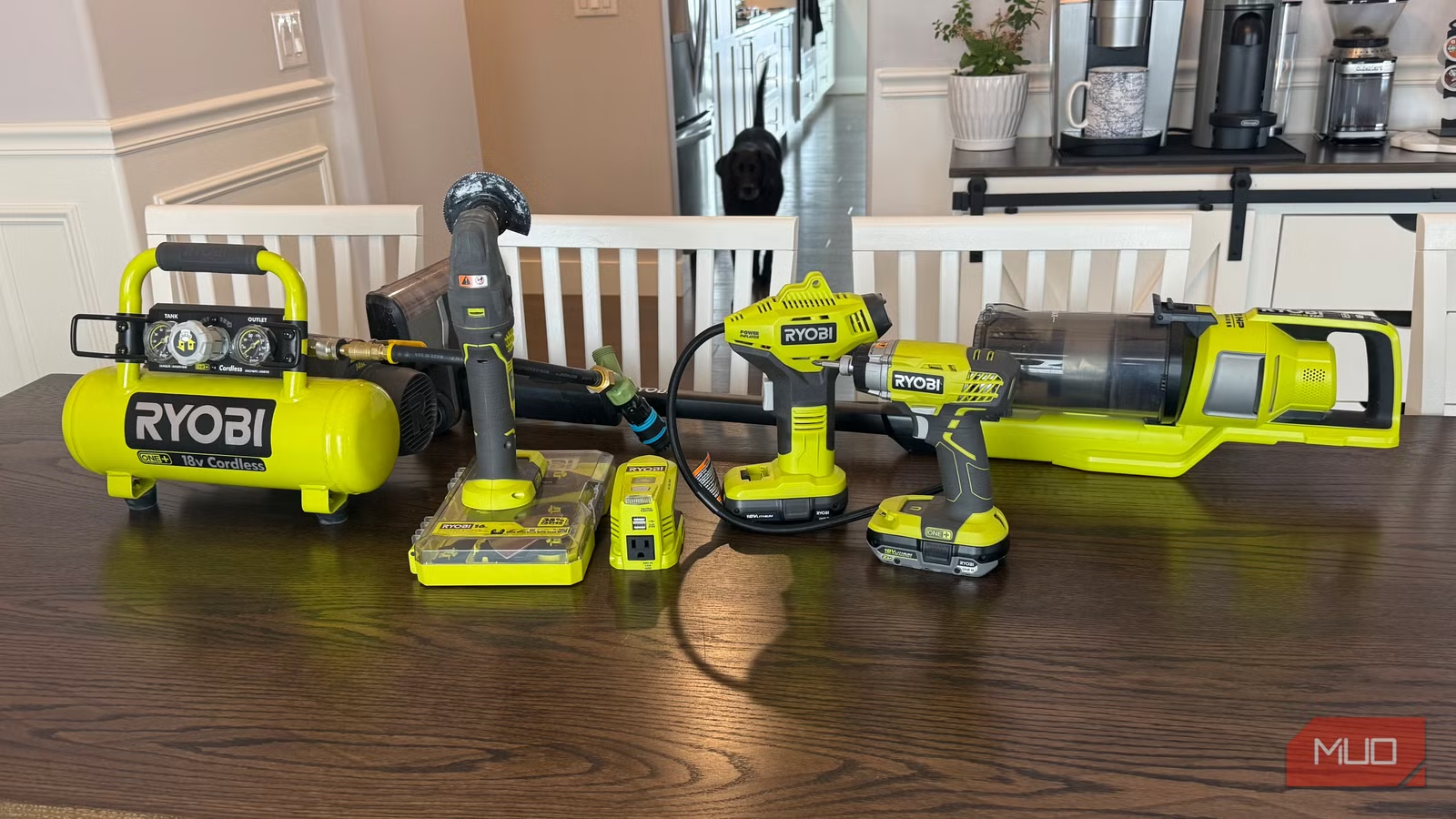
Ryobi has carried a budget stigma for as long as I can remember. Walk into any Home Depot and you’ll find the green-and-black tools in the affordable section, quietly implying they’re what you buy when you can’t justify spending more. I bought into that framing for years — picking up a Ryobi tool when I needed something fast and half-expecting to outgrow it. That was before I built out a full ONE+ 18V collection and actually put the platform through consistent use. Ryobi tools are considerably stronger than their reputation suggests, and for most homeowners, dismissing them outright is the more expensive choice.
The battery platform is the whole product
Every tool you add costs less than the one before it
The ONE+ platform has been around since 1996, and the core premise has stayed the same: one 18V battery format that works across every tool in the lineup, regardless of when you bought it. That sounds like standard marketing language until you actually own four or five packs and start adding tools.
Bare tool pricing is where the math shifts. Once you have batteries, new additions drop significantly in cost. Bare tools fill out the collection cheaply once you own packs — impact drivers and circular saws both typically land under $70. The 18V ONE+ power inverter — clips onto any ONE+ battery, outputs a live AC outlet — runs about $49 as a bare tool. Purpose-built portable power stations from standalone brands typically cost three to five times that for comparable functionality. The platform lock-in that initially feels like a constraint becomes the reason each tool costs less than it looks like on a spec sheet. You’re not buying a new tool; you’re building on what you already own.
What I’ve run through the ONE+ lineup over the past few years
My Ryobi ONE+ circular saw cut every piece of lumber for a built-in storage wall I put together in the garage over two weekends. The Ryobi impact driver replaced my old drill for any job involving structural fasteners — the kind of work where a drill would bind, require pilot holes, or strip screws before seating them properly. Neither of those results surprised me much once I started using the tools consistently.
The yard side of the collection has been just as useful. The 40V side — leaf blower, stick edger, string trimmer — covers yard maintenance from first thaw to the last mow of the season, all on the same battery platform. All three earn their place before spring yardwork season starts, and gas cans for yard tools haven’t been on my shopping list in a couple of years.
One caveat worth making: not every tool in the ONE+ lineup justifies a purchase. Some exist because the platform needed a category covered, not because Ryobi had a particularly strong product to put there. The tools worth tracking down are the ones with an actual track record — and there are enough of them to build a capable collection.
Performance has genuinely caught up
Where cordless tools were a decade ago vs. where they are now

The gap between cordless and corded performance has narrowed substantially for the kind of work most homeowners actually do. A corded saw still wins at sustained heavy cuts, and nothing in the ONE+ lineup replaces a table saw. But for weekend projects, seasonal maintenance, and the general range of tasks a garage workshop handles — today’s cordless tools are in a different place than they were ten years ago.
My old drill would bog down on structural fasteners and occasionally strip screws before they were fully seated. The ONE+ impact driver handles that same work cleanly and consistently. The gas leaf blower it replaced started fights every time I pulled it out of storage. The cordless version has started on the first button press every single time. Two-plus years of regular use across real projects — not controlled conditions or cherry-picked tasks.
The habits that keep the battery platform healthy
What actually shortens pack life — and what doesn’t
A platform built around shared batteries only stays useful if those batteries last. Most people assume heavy use is the main culprit behind early degradation. The real driver is more mundane: what you do when the tools aren’t running.
Research into lithium-ion degradation puts the calendar aging figure at roughly 20% capacity loss per year for packs stored fully charged. Drop that storage level to the 40–60% range, and the same figure falls below 5%. For packs sitting unused for more than a few weeks, running them down before storing makes a meaningful difference across a few seasons of ownership.
Two other habits belong in the same conversation. Plugging a cold battery directly into the charger is the more damaging one. Below freezing, the charging process breaks down in ways that leave permanent structural damage in the cells — not recoverable wear, but actual physical degradation. Letting a cold pack warm up indoors for an hour before charging costs nothing and prevents it entirely. The other habit is using the charger as a storage dock. Modern chargers cut off at 100%, but many follow that with a low-level trickle charge to maintain full capacity as the cell naturally self-discharges. Pulling the pack off the charger when the indicator goes green keeps it out of that sustained high-voltage state. Three habits, none of them complicated.
A workshop that grows without starting over
The ONE+ platform’s real advantage isn’t any individual tool — it’s that every new addition makes the collection more capable without requiring a fresh investment from scratch. That compounds over time in ways that are easy to miss when you’re comparing spec sheets and brand reputations. If you’re running tools commercially eight hours a day, the ONE+ lineup isn’t your ceiling. For homeowners building a practical, flexible workshop on a reasonable budget, it’s worth a serious look — the reputation hasn’t kept up with the tools.